

Pituitary and skull base
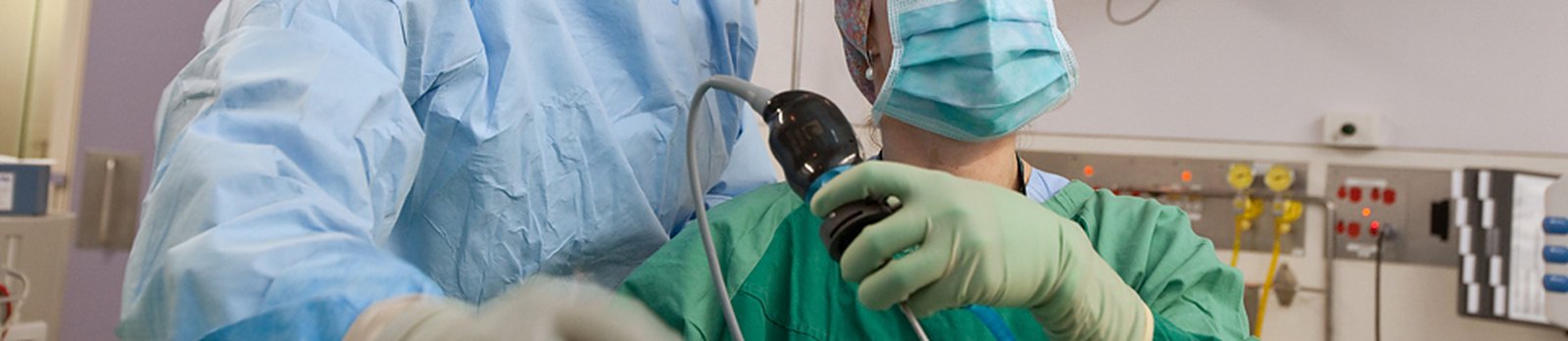
The Rhinology and Skull Base Service at St Vincent’s Hospital provides endoscopic surgery for pituitary tumours and for benign and malignant tumours of the nose, sinuses and anterior skull base, as one team with endocrinology and neurosurgery. Lateral skull base and temporal bone surgery is provided by the department’s otology and neurotology team.
St Vincent’s cares for around three-quarters of New South Wales patients needing pituitary surgery. Most operations are performed through the nose with no external incision, with a short hospital stay and follow-up shared with the referring endocrinologist.
What we treat
- Pituitary adenomas (PitNETs), functioning and non-functioning
- Craniopharyngioma, Rathke’s cleft cyst, meningioma of the anterior skull base
- Sinonasal cancers, inverted papilloma and other sinonasal tumours
- Olfactory neuroblastoma, chordoma and clival lesions
- CSF leak and encephalocoele repair
- Orbital surgery, including orbital tumours and orbital decompression, performed endoscopically through the nose and by minimal-access approaches
- Lateral skull base and temporal bone: vestibular schwannoma (acoustic neuroma), meningioma, NF2, CSF leak and encephalocoele, lateral temporal bone resection — see below
Referring a patient
Ophthalmologists, endocrinologists, neurosurgeons and GPs can refer through St Vincent’s Hospital’s referral process (St Vincent’s Hospital ENT page) or directly to the surgeon’s rooms. Patients who have not yet had hormonal assessment are directed to endocrinology first.
Urgent: sudden severe headache with visual change (possible apoplexy) is an emergency. Send the patient to the St Vincent’s Emergency Department and phone the ENT registrar on (02) 8382 1111.
How care is organised
Every pituitary case is discussed at the multidisciplinary meeting with endocrinology, neurosurgery, radiology, pathology and radiation oncology before surgery is offered. Surgery is performed jointly by a rhinologist and a neurosurgeon using an endoscopic endonasal approach. Sinonasal tumours are managed with the Head and Neck Cancer Clinic where oncology input is needed.
For patients
A pituitary tumour is usually found on an MRI arranged for headaches, visual change or abnormal hormone tests. Most are benign and slow-growing. Not every tumour needs surgery; some are watched, and some are treated with medication by an endocrinologist. When surgery is needed, it is done through the nostrils with an endoscope. There is no external scar. Most patients stay in hospital two to three nights and return to normal activity within two to three weeks.
For referrers
- Imaging: MRI pituitary with contrast; CT if MRI is contraindicated
- Bloods: pituitary hormone screen — 8 am cortisol, TSH, free T4, prolactin, IGF-1, LH, FSH, oestradiol or testosterone, and electrolytes
- Vision: formal visual fields if the lesion abuts the chiasm
- Review: within two working days by the Rhinology and Skull Base Service
- Referral: through the hospital’s referral process (St Vincent’s Hospital ENT page), or direct to the surgeon’s rooms
Anterior skull base and pituitary
Tumours of the pituitary gland, the nose and sinuses and the anterior skull base are managed by the Rhinology and Skull Base Service, operating jointly with neurosurgery and with endocrinology, ophthalmology, radiation and medical oncology through the pituitary and head and neck multidisciplinary teams. Almost all of this surgery is performed endoscopically through the nostrils, with no external incision: the pituitary is reached through the sphenoid sinus, and tumours of the sinuses, orbit and skull base floor are removed with the same instruments, with reconstruction of the skull base using the patient’s own nasal lining where the dura has been opened.
The service treats functioning and non-functioning pituitary adenomas, craniopharyngioma and Rathke’s cleft cysts, meningioma of the anterior skull base, sinonasal cancers and inverted papilloma, olfactory neuroblastoma, chordoma and clival lesions, CSF leaks and encephalocoeles of the anterior skull base, and orbital tumours and decompression. Endocrine assessment is arranged before surgery, and hormone and visual outcomes are followed with the referring endocrinologist and ophthalmologist.
Conditions
- Pituitary adenoma (PitNET), functioning and non-functioning
- Craniopharyngioma and Rathke’s cleft cyst
- Meningioma of the anterior skull base
- Sinonasal cancer, inverted papilloma and olfactory neuroblastoma
- Chordoma and clival lesions
- CSF leak and encephalocoele of the anterior skull base
- Orbital tumours and orbital decompression
Neurosurgery

Lateral skull base
Tumours and conditions of the lateral skull base and temporal bone are managed by the department’s otology and neurotology surgeons, working with neurosurgery and the skull base multidisciplinary team. The work includes vestibular schwannoma (acoustic neuroma) and other cerebellopontine angle tumours, meningioma, neurofibromatosis type 2 (NF2), glomus and other temporal bone tumours, CSF leaks and encephalocoeles of the temporal bone, and lateral temporal bone resection for cancer of the ear canal and temporal bone. Hearing rehabilitation, including cochlear and auditory brainstem implants, is planned alongside tumour treatment.
More on the Ear and hearing page.
Conditions
- Vestibular schwannoma (acoustic neuroma) and other cerebellopontine angle tumours
- Meningioma of the lateral skull base
- Neurofibromatosis type 2 (NF2)
- Glomus and other temporal bone tumours
- CSF leak and encephalocoele of the temporal bone
- Lateral temporal bone resection for ear canal and temporal bone cancer
The department’s surgeons are listed on Our surgeons.
Pituitary multidisciplinary team
Prof Ann McCormack
Endocrinology lead · Chair, St Vincent’s Campus pituitary multidisciplinary team
Rhinology and Skull Base Service
The department’s rhinology and skull base surgeons
Neurosurgery
A/Prof Mark Winder, A/Prof Ben Jonker
Every case is discussed with radiology, pathology and radiation oncology before treatment is offered. Research from the service is published through the Sydney Rhinology Group.